
Views: 0 Author: Site Editor Publish Time: 2026-05-08 Origin: Site


Fire safety is one of the most important considerations in any workplace or industrial setting. Fires can occur unexpectedly, causing significant damage to property, equipment, and potentially risking human lives. That’s why it’s crucial to have reliable fire suppression systems in place, such as dry chemical powder extinguishers.
Dry chemical powder extinguishers are a highly effective and versatile fire suppression tool used in various industries. They work by interrupting the chemical reaction of fire and are suitable for use on several fire classes. In this blog post, we’ll explore the different types of dry chemical powder extinguishers, their uses, key advantages, and why they should be part of your fire safety plan.
A dry chemical powder extinguisher is a fire extinguisher that uses a fine, dry chemical powder to suppress fires. The powder works by disrupting the chemical reaction of the fire, making it a highly effective agent for various types of fires. The primary chemicals used in these extinguishers are typically monoammonium phosphate, sodium bicarbonate, or potassium bicarbonate, each of which is formulated to handle specific fire classes.
Dry chemical powder extinguishers are commonly used in both commercial and industrial applications, and they are typically found in environments where different types of fires may occur, such as manufacturing plants, warehouses, garages, or chemical laboratories.
There are several types of dry chemical powder extinguishers, and each type is designed to handle specific fire risks. Understanding the different types and their applications is essential to choosing the right extinguisher for your needs.
ABC dry chemical powder extinguishers are the most commonly used type in commercial and industrial settings. These extinguishers use monoammonium phosphate as the chemical agent and are effective against class A, B, and C fires.
Class A fires involve ordinary combustibles like wood, paper, and fabric.
Class B fires involve flammable liquids, gases, or oils.
Class C fires involve electrical equipment.
ABC powder extinguishers are widely used because they can handle a variety of fire types, making them versatile and essential for environments with multiple fire hazards.
BC powder extinguishers use sodium bicarbonate or potassium bicarbonate as their active ingredients. These extinguishers are designed for use on class B and class C fires only.
Class B fires involve flammable liquids, gases, and oils.
Class C fires involve electrical equipment.
BC extinguishers are typically used in environments where only flammable liquids or electrical equipment are the primary fire hazards. They are commonly found in kitchens, laboratories, or areas where electrical fires are a risk.
D dry chemical powder extinguishers are designed for use on class D fires, which involve combustible metals such as magnesium, titanium, and sodium. These fires are typically found in industrial environments that deal with metalworking, welding, or manufacturing processes involving flammable metals.
Class D fire extinguishers use specialized powders, such as sodium chloride or potassium chloride, to suppress the fire. These extinguishers are not suitable for other fire classes, so it’s essential to have the right extinguisher for the specific fire risk.
K powder extinguishers are specifically designed for class K fires, which involve cooking oils and fats, typically found in commercial kitchens. These extinguishers contain a combination of potassium acetate and other chemicals that are effective at suppressing fires caused by grease, cooking oils, and fats.
K extinguishers are widely used in commercial kitchens, restaurants, and food processing facilities where cooking oil fires are a major concern. They are designed to handle high-temperature fires that are common in kitchen environments.
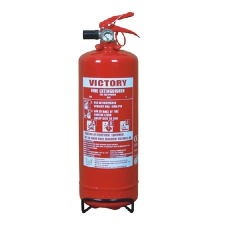
Dry chemical powder extinguishers are versatile and can be used on various fire classes. Here are some of the most common uses:
Dry chemical powder extinguishers are commonly found in industrial and commercial environments. These settings often involve a variety of potential fire hazards, including electrical equipment, combustible materials, and flammable liquids. ABC powder extinguishers are the most commonly used in these environments due to their ability to address multiple fire types.
In industrial settings, they are often found in factories, warehouses, manufacturing plants, and chemical processing facilities. These extinguishers are vital for quickly addressing fires before they can spread, minimizing damage and downtime.
While not as common as in commercial settings, dry chemical powder extinguishers can also be used in homes, especially in garages, kitchens, or other areas with a higher risk of fire. BC powder extinguishers are useful in home settings where electrical equipment or flammable liquids may pose a risk.
Dry chemical powder extinguishers are essential for vehicles, including cars, trucks, and boats. These extinguishers can effectively tackle fires that involve flammable liquids (such as gasoline or diesel) or electrical equipment. They are a must-have in many commercial and industrial vehicles, including delivery trucks, buses, and construction vehicles.
K powder extinguishers are designed specifically for commercial kitchens and restaurants, where fires from cooking oils, grease, and fats are a major risk. These extinguishers are capable of suppressing the intense heat of grease fires and preventing further spread.
In laboratories and chemical facilities, dry chemical powder extinguishers play a critical role in fire safety. BC powder extinguishers are typically used in these environments due to the presence of flammable chemicals, electrical equipment, and gases.
Dry chemical powder extinguishers offer several key advantages over other types of fire suppression systems. Let’s explore some of the most important benefits:
One of the biggest advantages of dry chemical powder extinguishers is their versatility. They are effective at suppressing a wide range of fires, including those involving ordinary combustibles, flammable liquids, and electrical equipment. The ABC powder extinguisher, in particular, can tackle class A, B, and C fires, making it an excellent choice for environments with multiple fire risks.
Dry chemical powder extinguishers work quickly to suppress fires by interrupting the chemical reaction of the fire. The powder is expelled under high pressure, creating a barrier between the fuel and the oxygen. This fast action can prevent the fire from spreading and reduce the damage caused by the fire.
Dry chemical powder extinguishers are easy to operate, making them ideal for both trained personnel and untrained users. The simple pull-and-squeeze operation ensures that even in high-pressure situations, the extinguisher can be used effectively.
Dry chemical powder extinguishers are widely available and are generally more affordable than other types of extinguishers, such as CO2 or foam extinguishers. This affordability makes them accessible to both large businesses and small enterprises. Their availability also ensures that businesses can easily maintain their fire safety equipment.
While dry chemical powder extinguishers can leave a residue after use, they typically require less cleanup than foam or CO2 extinguishers. This can be especially important in environments where downtime is costly, such as factories or warehouses. However, it’s still important to clean up the powder as soon as possible to avoid damage to equipment or surfaces.
Feature | ABC Powder Extinguisher | BC Powder Extinguisher | D Powder Extinguisher | K Powder Extinguisher |
Fire Class | A, B, C | B, C | D | K |
Chemical Agent | Monoammonium phosphate | Sodium bicarbonate, potassium | Sodium chloride, potassium chloride | Potassium acetate |
Primary Use | Combustibles, liquids, electrical | Liquids, electrical | Combustible metals | Cooking oils, fats |
Suitable for Industrial Use | Yes | Yes | Yes | No |
Common Locations | Factories, warehouses, vehicles | Laboratories, chemical facilities | Metalworking industries | Kitchens, restaurants |
Dry chemical powder extinguishers are a critical component of fire safety in various industries and environments. Their versatility, effectiveness, and ease of use make them an ideal choice for protecting facilities, vehicles, and homes from fire hazards. Whether you’re dealing with electrical fires, flammable liquids, or combustible metals, there’s a dry chemical powder extinguisher suited to your needs.
If you're looking for reliable fire protection equipment, NingBo ZhengXin Fire Fighting Equipment Co., Ltd. offers a wide range of high-quality dry chemical powder extinguishers designed to meet safety standards and keep your premises safe. Reach out to learn more about their products and services.
Q: What is a dry chemical powder extinguisher?
A: A dry chemical powder extinguisher is a fire extinguisher that uses fine powder to interrupt the chemical reaction of fire, making it effective for multiple fire classes such as class A, B, and C.
Q: Can dry chemical powder extinguishers be used for electrical fires?
A: Yes, dry chemical powder extinguishers, especially the ABC type, are effective for electrical fires (class C) and can safely put out fires involving energized electrical equipment.
Q: What is the difference between ABC and BC powder extinguishers?
A: ABC powder extinguishers are suitable for class A, B, and C fires, while BC extinguishers are effective only for class B (flammable liquids) and class C (electrical) fires.
Q: Are dry chemical powder extinguishers suitable for kitchens?
A: For kitchens, particularly with cooking oils, K powder extinguishers are recommended as they are specifically designed to handle class K fires caused by cooking fats and oils.


