
Views: 0 Author: Site Editor Publish Time: 2026-05-01 Origin: Site


When it comes to fire safety in commercial kitchens and food preparation areas, one of the most important pieces of equipment is the wet chemical fire extinguisher. These extinguishers are designed specifically for tackling Class F fires, which involve cooking oils, fats, and grease. These fires can be especially dangerous and challenging to manage without the right tools. In this article, we will guide you on how to use a wet chemical extinguisher safely and effectively, ensuring you are prepared to handle an emergency in your kitchen or food establishment.
Before diving into how to use a wet chemical extinguisher, it’s important to understand what makes it different from other types of fire extinguishers. Wet chemical extinguishers contain a special chemical solution that is designed specifically for tackling fires involving cooking oils and fats. These fires require a distinct approach because traditional fire extinguishers, like water or dry powder, can make the fire worse. Wet chemical extinguishers are designed to cool the oils quickly, smother the flames, and prevent re-ignition by creating a protective foam layer.
The key elements of a wet chemical extinguisher are:
Potassium-based chemicals that react with cooking oils and fats.
Saponification: The chemical reaction that forms a soap-like substance that helps extinguish the fire.
Non-conductive nature, which makes them safe for use around electrical appliances.
Wet chemical extinguishers are essential for controlling Class F fires. These types of fires usually happen in kitchens and food preparation areas where oils and fats are used in cooking. You should use a wet chemical extinguisher only when dealing with fires involving:
Cooking oils (e.g., vegetable oil, animal fats)
Grease in deep fryers or cooking pans
Other fats used in high-temperature cooking methods
Important Note: Wet chemical extinguishers should never be used on fires that involve electrical equipment (unless the equipment is de-energized) or combustible materials. For electrical fires, use a CO2 or dry powder extinguisher.
It’s crucial to understand the proper steps to take when using a wet chemical extinguisher, as quick and efficient action can make the difference between successfully containing the fire or causing further harm. Below are the step-by-step instructions on how to use a wet chemical extinguisher safely and effectively:
The first step in using a wet chemical extinguisher is to pull the safety pin. This pin is typically located on the handle of the extinguisher. Pulling the pin prevents the trigger from being accidentally pressed and ensures that the extinguisher is ready to discharge.
Next, aim the nozzle at the base of the fire. When using a wet chemical extinguisher, it’s essential to aim at the base of the fire rather than the flames themselves. This is because the base is where the fire’s fuel source is located, and targeting the base allows the chemical agent to directly suppress the fire.
Once the nozzle is aimed at the base of the fire, squeeze the handle to release the wet chemical agent. Wet chemical extinguishers typically require a firm, consistent squeeze to ensure a steady flow of the extinguishing agent. Be sure to maintain a safe distance from the fire—usually between 2 to 4 meters (6 to 12 feet), depending on the size of the fire.
After activating the extinguisher, sweep the nozzle from side to side across the fire. This sweeping motion ensures that the entire fire is covered with the wet chemical agent, helping to smother the flames and cool the oil. Continue this sweeping motion until the fire is completely extinguished.
Once the flames are out, it’s important to allow the cooking oils or fats to cool down. Wet chemical extinguishers are effective at preventing re-ignition, but they work best when the oil’s temperature is brought down rapidly. Keep a safe distance and monitor the area to ensure that the fire does not reignite.
Even after the flames appear to be out, always check for any signs of re-ignition. If you notice the fire starting again, immediately discharge more wet chemical agent over the area to prevent it from spreading. This is especially important in kitchens where oil can remain hot for extended periods.
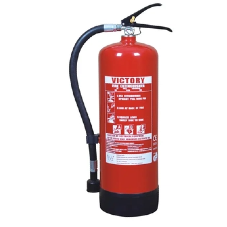
Safety should always be a priority when dealing with any type of fire emergency. Below are several important safety tips to keep in mind when using a wet chemical extinguisher:
Never attempt to use water on a grease or oil fire. Water will cause the oil to splatter, potentially spreading the fire. Water is ineffective and can make the situation worse. Wet chemical extinguishers are specifically designed to handle oil fires safely.
In case of any smoke or fumes, ensure that the kitchen area is properly ventilated. Although wet chemical agents are non-toxic, it’s still important to ensure the area is clear of any fumes. Evacuate anyone who may be at risk and call for emergency services if necessary.
Ensure that you are using the appropriate extinguisher for the type of fire. Wet chemical extinguishers are only suitable for cooking oil fires (Class F). If the fire involves electrical equipment, use a CO2 or dry powder extinguisher.
Regular maintenance of fire extinguishers is essential to ensure they work properly when needed. Check the expiry date and make sure the pressure gauge is within the recommended range. A professional inspection should be done annually to maintain the extinguisher's effectiveness.
While knowing how to use a wet chemical extinguisher is critical, regular fire safety training for your staff is equally important. By offering fire safety training, you can ensure that your team knows how to react in the event of a fire and how to use fire extinguishers properly.
Regular drills should be conducted to practice responding to fires, allowing employees to be familiar with the procedure and helping reduce panic in the event of an emergency.
To ensure the extinguisher remains in good working condition, regular maintenance is required. This includes:
Annual Inspections: A qualified fire safety professional should inspect wet chemical extinguishers annually.
Monthly Checks: Check the pressure gauge and ensure it is within the green zone.
Recharging: After any use, the extinguisher should be recharged to maintain its effectiveness.
Replacement: If the extinguisher has passed its expiration date, it should be replaced immediately.
Maintenance Task | Frequency | Notes |
Inspect Pressure Gauge | Monthly | Ensure the gauge is in the green zone. |
Check Expiry Date | Annually | Replace if expired. |
Professional Inspection | Annually | Conduct by a certified fire safety expert. |
Recharging After Use | After Each Use | Recharge immediately after use to ensure it's ready for the next emergency. |
Visual Inspection for Damage | Monthly | Look for any signs of physical damage, corrosion, or leakage. |
Wet chemical extinguishers are essential tools for effectively handling Class F fires involving cooking oils and fats. Their ability to cool the oil, smother flames, and prevent re-ignition makes them the best choice for kitchen fire safety. Knowing how to use them properly, along with regular maintenance and fire safety training, can significantly reduce the risks associated with cooking oil fires.
At NingBo ZhengXin Fire Fighting Equipment Co., Ltd., we provide high-quality fire safety products, including wet chemical extinguishers, designed to protect your business from fire hazards. If you're looking to equip your kitchen with reliable fire safety equipment, contact us today to learn more about our solutions.
Q: What is the difference between a wet chemical extinguisher and a regular fire extinguisher?
A: Wet chemical extinguishers are specifically designed for fires involving cooking oils and fats. They cool the oil and form a foam layer to prevent re-ignition, while regular extinguishers may be ineffective for such fires.
Q: How far should I stand from the fire when using a wet chemical extinguisher?
A: Stand approximately 2 to 4 meters (6 to 12 feet) away from the fire. Always aim the nozzle at the base of the fire and sweep from side to side.
Q: Can wet chemical extinguishers be used on electrical fires?
A: Wet chemical extinguishers are non-conductive and safe for use around electrical equipment in kitchens, but they should only be used if the equipment is de-energized. For electrical fires, use a CO2 or dry powder extinguisher.
Q: How often should a wet chemical extinguisher be inspected?
A: Wet chemical extinguishers should be professionally inspected annually and visually checked monthly to ensure they are in good working condition.


