
Views: 0 Author: Site Editor Publish Time: 2026-06-17 Origin: Site


Selecting fire suppression equipment extends far beyond checking a basic safety compliance box. It represents a critical asset-protection strategy for your entire organization. Facility managers constantly face a difficult dilemma during the procurement process. You must decide whether to deploy a highly versatile dry chemical powder extinguisher or opt for the non-destructive, clean discharge of a CO2 unit. Deploying the wrong unit carries serious consequences. It can lead to severe regulatory failures, catastrophic equipment damage, and ultimately ineffective fire suppression. This guide delivers a clear, evidence-based framework to solve this problem. You will learn exactly how to match the right Extinguisher to your facility’s unique operational risks.
Application Scope: Dry powder handles multiple fire classes (A, B, C/Electrical) but leaves a highly corrosive, difficult-to-clean residue.
Asset Protection: CO2 is specifically designed for Class B (flammable liquids) and electrical fires, leaving zero residue, making it mandatory for server rooms and sensitive equipment.
Implementation Risk: Discharging CO2 in tight spaces poses asphyxiation risks, while discharging dry powder indoors severely impairs visibility and breathing.
Strategic Deployment: Most commercial facilities require a hybrid approach rather than a strict either/or choice, mapped specifically to zone-by-zone hazard audits.
You must always match extinguishing agents to specific fire fuel sources. This baseline strategy ensures rapid suppression. It also prevents the chosen agent from exacerbating the original hazard. Fires require heat, fuel, and oxygen to burn. Suppressing a fire successfully means breaking this fundamental chemical chain.
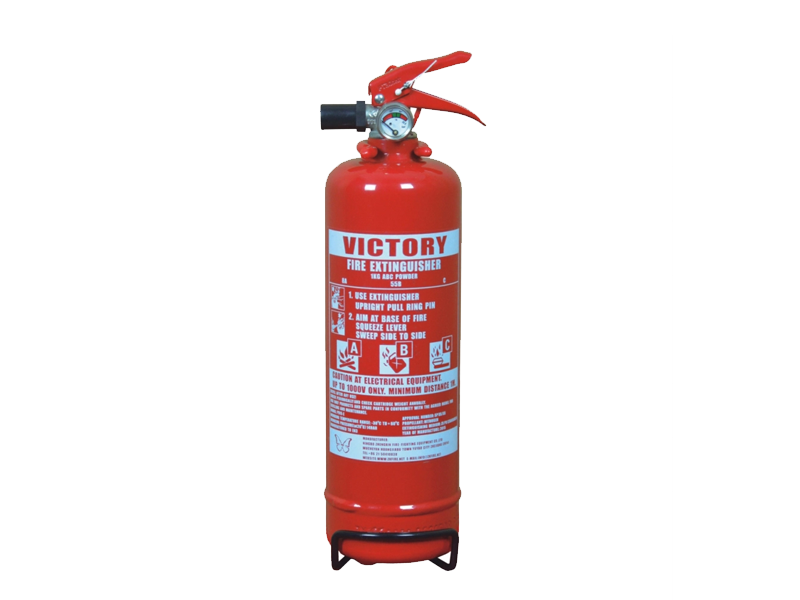
How does a dry chemical powder extinguisher actually work? It quickly smothers the flames. The powder forms a physical barrier between the oxygen and the fuel source. This barrier immediately interrupts the volatile chemical reaction. Authorities typically rate these robust units for Class A (combustibles), Class B (flammable liquids), and Class C (electrical) fires. This broad compliance makes them highly popular across diverse industries.
Carbon dioxide mechanisms operate differently. A CO2 unit displaces oxygen in the immediate area. It also removes critical heat through a remarkably cold gas discharge. Authorities strictly rate CO2 units for Class B and electrical fires. You must understand a crucial limitation here. CO2 is completely ineffective on Class A fires involving wood, paper, or textiles. It simply lacks the cooling mass to prevent deep-seated embers from reigniting.
Fire Class | Dry Chemical Powder | CO2 (Carbon Dioxide) |
|---|---|---|
Class A (Wood, Paper, Textiles) | Highly Effective | Ineffective / Dangerous Reignition Risk |
Class B (Flammable Liquids) | Highly Effective | Highly Effective |
Class C (Electrical Fires) | Effective (Leaves destructive residue) | Highly Effective (Leaves zero residue) |
Let us closely examine the operational realities of powder units. They offer tremendous performance strengths for facility safety. You gain highly versatile coverage across multiple fire types. The chemical agent delivers rapid knockdown capability. It extinguishes intense flames almost instantly.
However, you must carefully consider the post-discharge liabilities. Industry experts often call this the hidden burden of powder deployment. The cleanup process remains notoriously difficult. The discharged powder is exceptionally fine and pervasive. It settles rapidly into every microscopic crevice in the room. Furthermore, the chemical dust acts as a mild corrosive. It will aggressively destroy exposed circuit boards over time. Deploying powder near tech hardware can cause far more operational loss than a localized fire.
Health and safety risks also demand your full attention. Discharging this unit indoors presents severe hazards to occupants. People face immediate inhalation dangers. The fine dust creates a sudden zero-visibility environment. This unexpected blindness frequently leads to panic during an emergency evacuation.
Where should you deploy these units? We recommend specific ideal shortlist scenarios. They excel in open warehouses and large industrial manufacturing floors. They provide superb protection for outdoor fuel storage areas. Construction sites also benefit greatly from their rugged versatility and broad fire class coverage.
Carbon dioxide units offer completely different performance strengths. They hold a prestigious "clean agent" status within the safety industry. The discharge leaves absolute zero residue behind. This unique feature preserves your expensive operational hardware. You can often power equipment back on immediately after ventilating the affected room.
Yet, CO2 brings its own post-discharge liabilities. You face a significant thermal shock risk during deployment. The extreme cold can literally crack hot electronic components. You must deploy the agent correctly to avoid permanent hardware damage.
You must also mitigate severe health and safety risks. CO2 presents a deadly asphyxiation hazard in small, unventilated rooms. It rapidly displaces breathable oxygen from the floor upward. Additionally, the discharge produces a shockingly loud noise. This sudden roar can easily disorient untrained staff members during an already chaotic emergency.
Consider these ideal shortlist scenarios for CO2 deployment. Data centers and server rooms mandate clean agents exclusively. Laboratories rely on CO2 to protect highly sensitive testing experiments. Commercial kitchens use them frequently as secondary units alongside primary wet chemical systems. High-value electronics assembly areas also deeply require their non-destructive properties.
Let us evaluate maintenance schedules and usability factors. Both unit types require strict compliance tracking to ensure operational readiness. Failure to maintain them negates your entire safety strategy.
Maintenance and lifespan intervals vary between the two designs. You must perform hydrostatic testing regularly. The National Fire Protection Association (NFPA) sets clear, authoritative guidelines for this process. CO2 cylinders typically require hydrostatic testing every five years. They endure extreme internal pressure constantly. Alternatively, a standard powder unit usually requires testing every twelve years. You must also manage refill procedures carefully. Servicing these units demands certified professionals to guarantee proper pressurization and reliable agent flow.
User training requirements also differ significantly. You cannot safely assume staff know how to operate them instinctively.
We highly recommend specific training protocols for CO2:
Teach staff to hold the frost-free horn correctly.
Warn users about severe frostbite risks on unprotected skin.
Demonstrate the much shorter discharge range compared to powder.
Emphasize the critical importance of room ventilation post-discharge.
Training for a dry chemical powder extinguisher requires different techniques entirely:
Instruct users on the wide sweeping motion needed for full coverage.
Emphasize aiming strictly at the base of the fire.
Prepare staff mentally for the sudden, dramatic visibility drop.
Teach secondary monitoring protocols to prevent hidden ember reignition.
You must apply facility-specific logic to your overall procurement strategy. A generic safety approach leaves critical assets vulnerable to destruction. We break down the ideal deployments by specific environment types.
In standard office environments, we strongly recommend against dry powder. Modern offices contain delicate electronics and extensive HVAC distribution networks. Powder gets sucked directly into air vents and ruins distant computers. Instead, lean toward water or foam for Class A risks. You should then mount a supplementary CO2 unit strictly inside server closets.
Industrial and heavy machinery zones require a completely different approach. We advise deploying dry powder for maximum coverage here. These areas frequently experience unpredictable, mixed-fuel fires. Powder seamlessly handles the chaos of grease, cardboard, and electrical sparking simultaneously.
IT and technology hubs demand strict agent restrictions. You must mandate CO2 or clean agent gas systems exclusively in these zones. Even a momentary, accidental burst of powder can permanently ruin millions of dollars of active server equipment.
Your next-step action is very clear. Conduct a localized fire risk assessment (FRA) across your building. You must consult local fire codes like OSHA, NFPA 10, or BS 5306. These established standards will precisely map out your required capacity and ideal placement zones.
We must reiterate a critical foundational rule for facility managers. Your choice between a dry powder unit and a CO2 unit hinges entirely on specific zone risks. You must continually evaluate the physical vulnerability of the assets located within that space.
Do not default to dry powder merely for its broad versatility. You must fiercely protect your high-value electronic assets with CO2. Conversely, you should protect complex, rugged industrial risks with heavy-duty powder. A strategic, hybrid mix ensures maximum human safety and minimal collateral property damage.
Take immediate action to secure your facility today. Schedule a professional fire safety audit as soon as possible. Review your current equipment inventory to identify any dangerous asset mismatches. Finally, contact a certified safety supplier to develop a tailored, zone-by-zone deployment plan.
A: Yes, authorities rate it for electrical fires safely. However, it will likely cause permanent damage to the equipment. The powder is mildly corrosive and infiltrates sensitive components. CO2 remains the required industry standard for safe, non-destructive electrical fire suppression.
A: Yes, CO2 aggressively displaces breathable oxygen. It poses a severe life safety risk in confined, poorly ventilated spaces. Users must carefully evaluate total room volume before specifying or discharging CO2 indoors.
A: Yes, dual-siting is incredibly common in mixed-risk environments. For example, you might place them together in a warehouse featuring a specialized electrical panel. However, staff must undergo rigorous training to select the correct unit during an emergency.
A: Yes, standardized color banding clearly differentiates them visually. Regions often use a black band for CO2 and a blue band for dry powder. Familiarity with your local safety compliance labeling is absolutely critical for quick recognition.


