
Views: 0 Author: Site Editor Publish Time: 2026-06-21 Origin: Site


Installing fire protection devices requires meticulous planning. You cannot treat every unit as a universal fix. Different facility hazards demand precise alignment. They also require strict adherence to local fire safety codes. Incorrect placement of carbon dioxide units fails compliance audits quickly. Poor location choices introduce severe safety risks into daily operations. Placing these units inside tight spaces risks user asphyxiation. Furthermore, poor positioning renders equipment completely useless during sudden electrical fires.
We aim to provide facility managers, safety officers, and building owners clear guidance. You will learn an evidence-based framework. This guide helps you evaluate exactly where and how you should deploy these specific suppression tools. Protecting commercial assets requires putting the right tool in the right hands quickly. We will explore risk mitigation strategies thoroughly. Understanding these placement principles ensures your facility remains fully compliant and safe for all occupants.
Target Hazards: CO2 extinguishers are strictly designed for Class B (flammable liquids) and Class C (electrical) fire risks.
Code Compliance: Installation must adhere to local fire codes (e.g., NFPA 10), dictating specific travel distances and mounting heights.
Risk Mitigation: Never install CO2 units in unventilated, confined spaces due to the risk of oxygen displacement.
Visual Strategy: Proper signage and unobstructed access are just as critical as the physical location of the extinguisher.
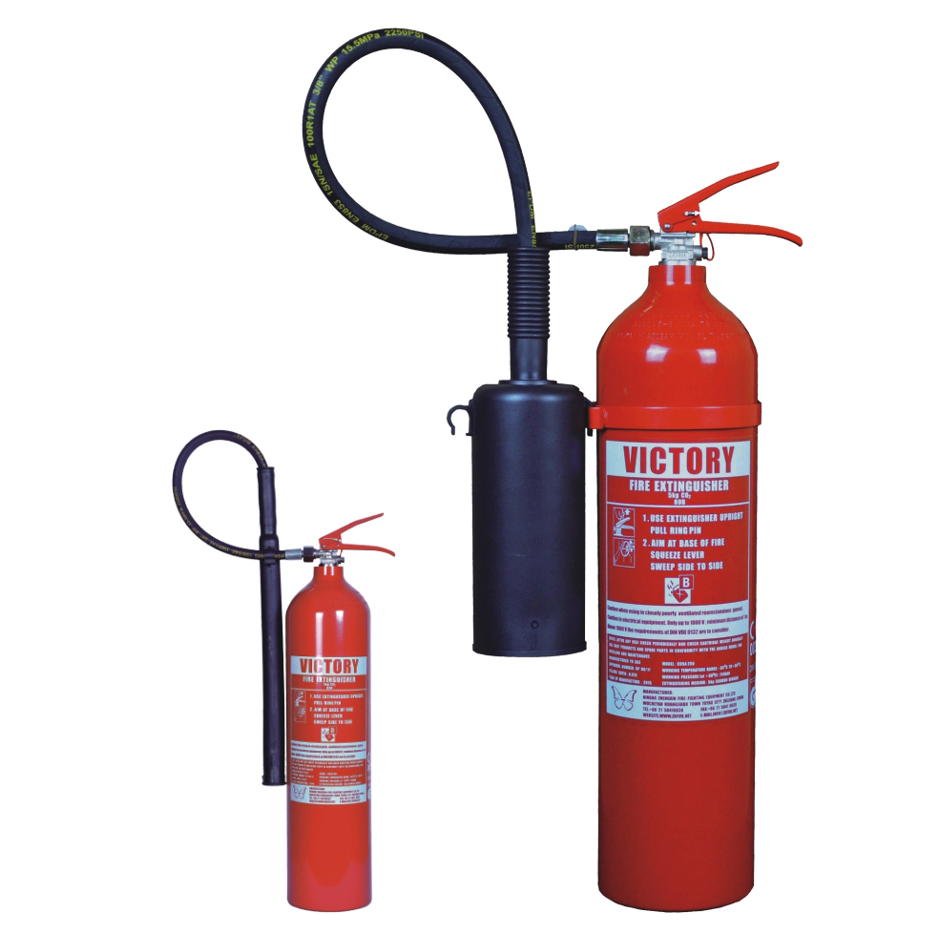
Fire safety planning relies on matching the right chemical agent to the exact hazard type. Evaluating your suppression tools requires a deep understanding of how they actually work. A CO2 extinguisher operates by rapidly displacing oxygen around the flame. It also removes heat from the combustion zone through a super-cooled gas discharge. Facility managers choose this tool over standard ABC dry chemical units for one major reason. It leaves absolutely zero residue behind after use. This clean discharge keeps highly sensitive electronics safe from corrosive powder damage.
However, you face a significant dilemma during the decision stage. These units are significantly heavier than their dry chemical counterparts. They also feature a much shorter discharge range. Users typically must stand within 3 to 8 feet of the flames to suppress them effectively. Additionally, the rapid oxygen displacement poses real respiratory risks for operators. Therefore, you must calculate their placement much more carefully compared to general-purpose devices. You cannot just hang them anywhere and hope for the best.
Strategic placement directly impacts your overall business continuity. When you position these units correctly, you prevent catastrophic fire damage. You protect expensive IT infrastructure and complex manufacturing equipment from total ruin. You also avoid hefty regulatory fines during surprise safety inspections. Smart deployment ensures operations resume quickly after a minor fire event.
Suppression Agent Comparison Chart | ||
Feature | Carbon Dioxide (CO2) | ABC Dry Chemical |
|---|---|---|
Target Hazards | Class B, Class C | Class A, B, C |
Discharge Range | 3 to 8 feet | 10 to 20 feet |
Residue Left | Zero (Clean Agent) | High (Corrosive Powder) |
Placement Focus | High-value equipment, open areas | General corridors, mixed hazards |
Matching the suppression solution to your specific operational environment remains your highest priority. You must map out hazard zones accurately before drilling a single mounting bracket. Let us examine the most common and critical placement locations.
Modern businesses rely entirely on continuous data access. Server rooms present a high risk for complex electrical fires. These Class C environments demand a strict zero-residue requirement to protect costly hardware. Discharging dry powder here often ruins intact servers nearby. Placement logic dictates installing the units near exits or just inside doorways. This specific positioning ensures the user always maintains a clear, safe path of escape. They will never trap themselves behind a blazing server rack.
Research labs and hospitals present unique blended risks. You often find Class B flammable liquids stored near highly sensitive diagnostic equipment. Carbon dioxide handles both threats effectively without contaminating sterile environments. Placement logic requires mounting the cylinders adjacent to known hazard zones. However, you must install them outside the immediate spill radius. If a chemical solvent spills and ignites, users need safe access to the cylinder without stepping into the fire.
Industrial spaces utilize heavy machinery and specific flammable liquids constantly. You must install reliable protection near these assets. Please note this crucial distinction. Carbon dioxide does not replace the mandatory Class K wet chemical Extinguisher required for cooking oil fires. Instead, you use it strictly for auxiliary electrical hazards nearby. Placement logic involves mounting them directly near large electrical distribution panels. You should also place them near complex machinery control stations. This ensures workers can stop electrical panel fires immediately.
Authoritative criteria dictate your entire compliance strategy. The National Fire Protection Association (NFPA) provides the industry benchmark. Local authorities having jurisdiction will enforce these rules during annual inspections.
NFPA 10 outlines strict maximum travel distance rules for various hazards. Travel distance measures the actual walking path a person takes. It does not measure a straight line through solid walls. You must keep this path short and direct.
Assess the hazard level: Determine if your space represents a light, ordinary, or extra hazard environment.
Measure Class B routes: Ensure the travel distance to the cylinder never exceeds 30 to 50 feet for flammable liquid zones. The exact distance depends directly on the hazard level you assessed.
Measure Class C routes: NFPA ties Class C placement directly to the accompanying Class A or Class B hazard rules. You must position the unit based on the anticipated electrical risk footprint.
Equipment weight heavily influences how high you can mount it. Incorrect mounting heights cause dangerous drops and workplace injuries. NFPA 10 establishes clear, weight-based mounting rules for all units.
Units under 40 lbs: You must install these so the very top sits no higher than 5 feet from the finished floor.
Units over 40 lbs: You must install heavier cylinders so the top sits a maximum of 3.5 feet from the finished floor.
Bottom clearance requirement: The bottom of every cylinder must remain at least 4 inches off the floor. This mandatory gap prevents rust, protects against moisture damage, and ensures quick accessibility.
Best Practice: Always use sturdy wall anchors rated for double the cylinder's actual weight. Drywall alone will eventually fail, causing the cylinder to crash to the floor.
Safety officers must understand product limitations thoroughly. Earning employee trust requires transparent communication regarding equipment hazards. Carbon dioxide suppresses fires excellently, but it introduces significant physiological dangers.
Understanding the discharge mechanism is vital. When activated, the cylinder releases a massive cloud of dense gas. This gas rapidly displaces the breathable oxygen in the immediate area. In an open warehouse, this localized displacement safely starves the fire. However, the exact same discharge in a small room creates an immediate toxic environment. The user might extinguish the flames but suddenly collapse from severe oxygen deprivation.
You must strictly prohibit installation in specific areas. Do not install these units in small utility closets. Never place them inside unventilated telecom cabinets. You must also avoid tight subterranean spaces like basements or maintenance tunnels. If a fire breaks out in these zones, personnel should evacuate immediately. They should rely on automated suppression systems rather than risking manual intervention.
Confined spaces still require robust protection. You have safer options available for these specific zones. Clean agent devices, such as Halotron units, provide excellent alternatives. They offer the same vital residue-free suppression needed for sensitive electronics. Importantly, they do not present the exact same severe oxygen displacement risks. Reassessing tight spaces ensures you maintain both equipment safety and human life safety.
Common Mistake: Facility managers often place a unit inside a small server closet just because it contains electrical gear. This violates basic safety protocols. Mount the unit outside the closet door instead.
Scalable execution requires strong visual management. Having the right tool means nothing if employees cannot find it during a panic. Your rollout strategy must prioritize extreme visibility and rapid access.
You must define what constitutes a genuinely clear path. A clear path means absolutely zero temporary storage blocking the unit. Delivery boxes piled in front of a cabinet create severe delays. Furthermore, you must ensure open doors do not swing out and conceal the wall bracket. Conduct regular walkthroughs. You must train floor staff to respect these clearance zones strictly.
Effective signage saves precious seconds. Warehouse and industrial settings present unique visual challenges. Inventory stacks, pallet racks, and large machinery frequently block natural sightlines. You must install 3D or V-shaped signs mounted high above the equipment. High-mounted signage guarantees workers can spot the suppression station from across the entire factory floor.
Choosing the correct mounting hardware impacts equipment longevity. Evaluate your traffic patterns carefully. Standard wall brackets work perfectly for quiet office corridors or low-traffic server rooms. However, busy industrial areas demand robust protective cabinets. Using cabinets in high-traffic corridors prevents accidental discharge. They also protect the cylinder valve from physical damage caused by passing forklifts or heavy carts. Choose cabinets featuring break-glass or quick-release handles for rapid deployment.
Proactive management drives real safety results. You must evaluate your existing setup before an emergency forces the issue. Implement a systematic auditing process across your entire facility.
Conducting a Hazard Assessment: Map out your facility floor plan completely. Identify every specific Class B (flammable liquid) and Class C (electrical) zone. Mark these hazard hot spots clearly on your blueprint.
Reviewing the Current Mix: Walk the floor and assess your active inventory. Check if your current ratio of standard ABC powder to carbon dioxide units makes sense. Verify your layout aligns correctly with the actual localized risks you mapped earlier.
Professional Consultation: Do not guess when human safety is involved. Partner immediately with certified fire protection specialists. They help finalize your layout, perform code-compliant installations, and schedule mandatory annual inspections.
Installing your suppression tools involves precise engineering and careful planning. You must constantly balance hazard mitigation, strict regulatory compliance, and overall life safety. Assess your high-risk electrical zones and verify your travel distances meet NFPA standards. Eliminate any units currently located inside dangerous confined spaces. Successful implementation ultimately protects both human life and high-value business assets. You achieve this simply by putting the right suppression tool exactly where it is needed most.
A: Yes, but you must use it solely for specific electrical hazards. It suppresses fires in electrical distribution panels or appliances safely. However, it absolutely never replaces the mandatory Class K wet chemical unit. Local codes require Class K units specifically for extinguishing severe grease and cooking oil fires.
A: The allowable travel distance depends heavily on your specific hazard level. NFPA 10 categorizes hazards as light, ordinary, or extra hazard. Generally, the actual walking distance to the unit should never exceed 30 to 50 feet for Class B flammable liquid hazards.
A: ABC dry chemical powder offers great versatility but remains highly corrosive. Cleaning up the fine powder proves incredibly difficult. Discharging it directly onto expensive server racks or sensitive lab electronics often destroys the equipment completely. Carbon dioxide leaves zero residue, making it the superior choice for those zones.
A: Yes. Staff must undergo specialized training. They must understand the much shorter discharge range. They need to know the unit lacks a standard pressure gauge and requires regular weighing. Most importantly, staff must learn the critical safety protocol of evacuating the immediate area after discharge to avoid asphyxiation.


