
Views: 0 Author: Site Editor Publish Time: 2026-07-14 Origin: Site


Commercial building safety relies entirely on equipment readiness. Fire suppression tools are only as reliable as their physical condition during an emergency. When these devices fail, minor incidents easily escalate into major disasters. Exposed hoses and reels degrade constantly over time. Environmental exposure, accidental impacts, and vandalism ruin them daily. They suffer from dry rot, mechanical damage, and unauthorized tampering. You face potential equipment failure during critical moments. You also risk serious building code violations. A simple storage box is never enough. You need a highly engineered barrier. The Hose Reel Cabinet serves this exact purpose. It prolongs equipment life significantly. It guarantees rapid accessibility for emergency responders. It maintains strict safety compliance standards. You will learn how these enclosures prevent material degradation and secure your facility. We will explore structural choices, compliance mandates, and practical installation requirements.
Cabinets shield hoses from UV degradation, moisture, and chemical exposure, actively preventing material rot and corrosion.
Anti-tamper features and durable materials (like stainless or cold-rolled steel) deter vandalism while ensuring unimpeded access during emergencies.
Selecting the right configuration—such as a wall mounting hose reel cabinet versus a recessed unit—depends on corridor width, building aesthetics, and structural load capacities.
Proper housing guarantees compliance with international and local fire codes (e.g., NFPA) by maintaining high visibility and unobstructed access.
Fire equipment faces constant threats in open environments. Unprotected hoses suffer immediate vulnerabilities. They degrade silently until an emergency exposes their failure. Facility managers must understand these risks to justify proper enclosures.
Ultraviolet light destroys synthetic and natural rubber hose linings. Sunlight breaks down molecular bonds within the rubber. This process causes severe cracking and dry rot. Ambient moisture presents another major threat. High humidity encourages mold growth on natural fiber jackets. Temperature fluctuations cause internal condensation. This moisture rusts brass valves and corrodes steel reel drum hubs. These environmental factors weaken the hose assembly drastically over time.
High-traffic facilities pose severe physical risks to exposed reels. Corridors experience constant movement. People and machinery accidentally strike unprotected equipment daily. Consider these three common high-risk environments:
Warehouses and Industrial Plants: Forklifts frequently back into structural columns. Moving pallets easily crush exposed hose reels.
Hospitals and Clinics: Heavy medical carts and gurneys navigate tight corners. They often snag loose hose loops.
Educational Institutions: Crowded school hallways lead to accidental bumps. Heavy backpacks easily catch on unprotected nozzles or valves.
Unauthorized personnel create significant operational risks. Curious individuals often tamper with accessible equipment. They might twist valves slightly open. This releases slow drips into the hose bed. Others might remove the brass nozzle completely. Sometimes, individuals pull the hose out for non-emergency uses. This misuse leaves the equipment tangled or improperly rolled. Firefighters cannot deploy tangled hoses rapidly.
You must define clear success criteria for equipment protection. Protection succeeds when you achieve zero equipment failures during routine inspections. Hardware must remain pristine year after year. More importantly, success means 100% operational readiness during a fire event. The equipment must deploy smoothly, hold pressure perfectly, and function flawlessly.
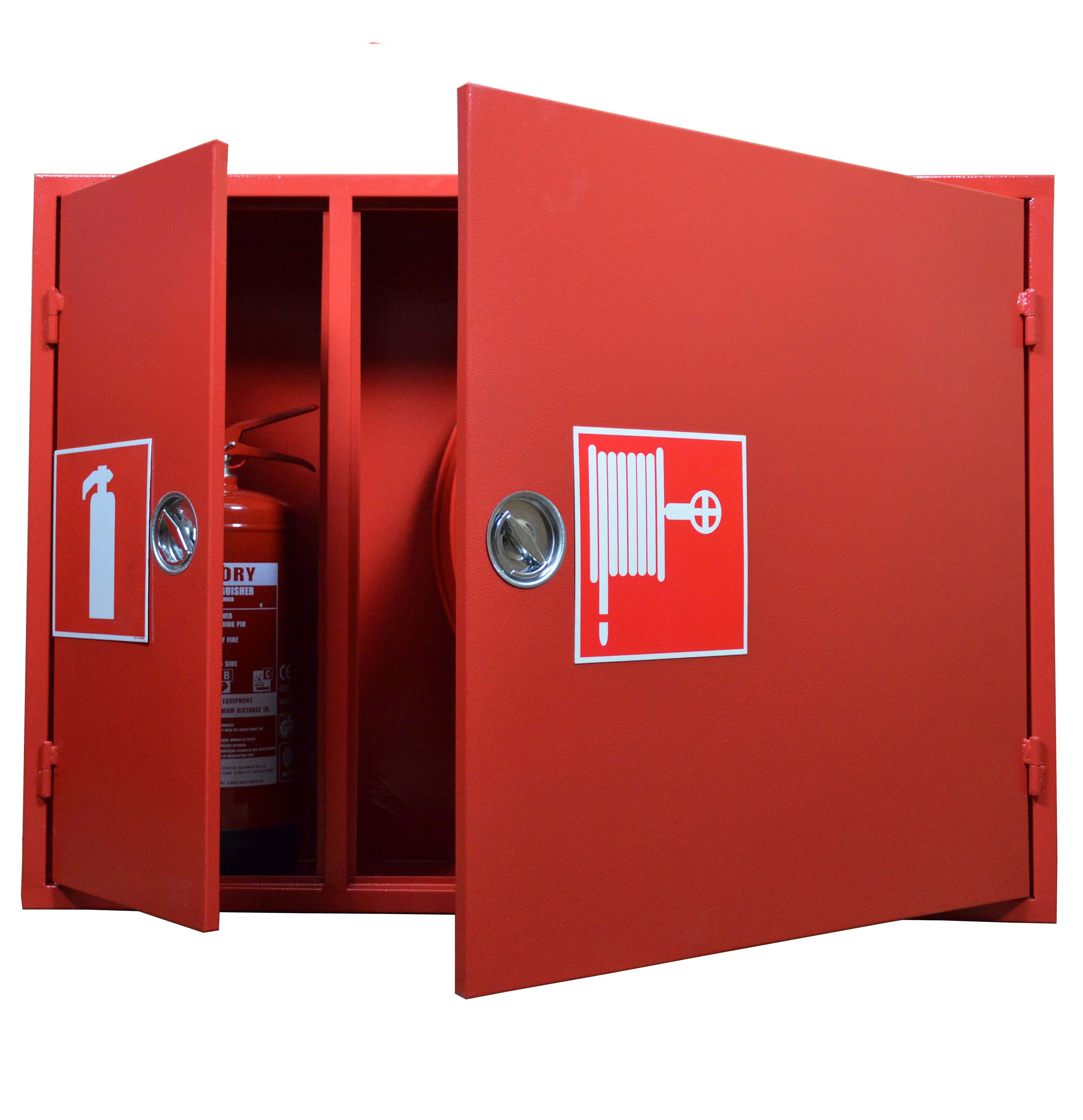
An enclosure acts as a comprehensive defense system. It shields sensitive components from multiple external threats simultaneously. You secure your facility readiness by isolating the equipment.
Heavy-gauge steel construction provides robust impact resistance. The metal shell absorbs direct strikes from heavy machinery. It deflects pedestrian traffic effectively. Manufacturers often utilize 16-gauge or 14-gauge steel for these structures. This heavy material prevents the internal reel drum from denting. A dented drum would otherwise stop the hose from unrolling.
Proper enclosures isolate the hose from atmospheric damage. Solid framing blocks harmful UV rays entirely. Many designs feature properly gasketed doors. These rubber or silicone seals block dust buildup. They keep corrosive airborne chemicals away from the brass fittings. They also prevent humid air from settling onto the hose jacket.
Facility managers constantly balance security against emergency access. Enclosures solve this dilemma through specialized locking mechanisms. Break-glass panels deter casual vandals effectively. Opportunists avoid breaking glass due to noise and injury risks. Alternatively, slam-action locks allow immediate firefighter access without a key. Firefighters simply pull the handle hard to bypass the internal latch. This prevents tampering while guaranteeing rapid emergency deployment.
Cabinets keep the entire assembly organized. They provide a dedicated bracket to keep the nozzle securely holstered. This prevents the nozzle from dragging on the floor. The enclosure also keeps the main water valve free from airborne debris. Dust cannot settle onto the valve stem threads. Clean threads prevent mechanical jamming when someone opens the water supply.
You cannot use a universal approach for fire enclosures. Facility layouts dictate specific dimensional requirements. You must evaluate architectural constraints before specifying a model.
You must choose an appropriate mounting profile for your space. Use recessed or semi-recessed units in narrow corridors. These profiles sit flush inside the wall cavity. They meet strict ADA protrusion limits for wheelchair accessibility. They prevent visually impaired individuals from bumping into the enclosure.
Conversely, evaluate the wall mounting hose reel cabinet for different scenarios. These surface-mounted units bolt directly onto the wall face. They work perfectly for retrofits or industrial spaces. You need them when cutting into structural masonry is prohibited. Surface units require zero wall cavity modifications.
Profile Type | Ideal Environment | Wall Preparation | ADA Compliance |
|---|---|---|---|
Fully Recessed | Narrow hallways, office lobbies | Deep wall cavity required | Excellent (Zero protrusion) |
Semi-Recessed | Standard corridors, schools | Shallow wall cavity required | Good (Minimal protrusion) |
Surface-Mounted | Warehouses, parking garages | No cavity needed, structural backing only | Poor (Requires wide aisles) |
You must align the cabinet material with your environmental risks. Carbon steel coated in baked enamel powder works best for dry, indoor environments. It offers high strength and low costs. Coastal regions require different materials. Salty air corrodes carbon steel rapidly. Chemical plants and washdown environments pose similar corrosion threats. In these harsh areas, choose 304 or 316 Stainless Steel. Stainless steel resists deep rust and maintains structural integrity against harsh vapors.
Assess door durability based on inspection needs and physical risks. Full solid doors offer maximum UV and impact protection. They hide the hose completely from sunlight. However, solid doors require inspectors to open them physically during routine checks. Tempered glass or thick acrylic panels offer faster visual inspections. You can verify the hose presence instantly from the hallway. You must balance the need for fast audits against the risk of glass breakage.
Code compliance ensures your equipment passes official audits. National standard bodies mandate strict visibility and accessibility rules. You must understand these regulations to avoid fines.
Fire equipment must command immediate attention during chaos. Code mandates specific cabinet colors. Manufacturers usually paint them safety red. This high-contrast color cuts through smoke and visual clutter. Bold, high-visibility decals label the exterior clearly. These markings satisfy code mandates for immediate identification. First responders never have to guess what sits inside the box.
Regulations dictate strict mounting heights. The main valve must remain reachable for an average adult. You cannot mount the enclosure too high or too low. Local codes typically reference NFPA guidelines for these exact measurements. Furthermore, you must guarantee the required arc of door swing. The door needs a full 180-degree swing clearance. This ensures rapid deployment. Firefighters must pull the hose out at extreme angles without the door blocking them.
Common Mistake: Facility staff often place trash cans or decorative plants next to the enclosure. These objects block the 180-degree door swing. Always keep the adjacent wall space completely clear.
Annual safety audits demand efficient workflows. Viewing windows streamline these mandatory inspections. Inspectors verify the nozzle and hose arrangement without breaking safety seals. Documented inspection tags hang clearly on the cabinet exterior or just inside the glass. This transparency proves your ongoing compliance to local fire marshals.
Physical installation requires careful planning. You deal with heavy dynamic loads and high-pressure plumbing. Poor installation jeopardizes the entire fire suppression system.
You must advise construction teams on proper structural anchoring. A reel loaded with a wet, continuous-flow rubber hose weighs significantly. When a person pulls the hose rapidly, they exert massive dynamic force. You cannot anchor this weight into hollow drywall. The structure will rip out of the wall entirely. Proper wall backing is mandatory. You must install solid wood or heavy metal blocking between the wall studs.
Plumbing connections require precise coordination. You face severe risks if the building water supply misaligns. The rough-in plumbing must match the internal knockouts perfectly. Misalignment forces installers to use awkward elbows and extra fittings. Extra fittings increase friction loss and potential leak points. Always verify the knockout dimensions before the plumber finalizes the wall pipes.
The enclosure minimizes hose degradation, but it demands its own upkeep. You need a realistic maintenance schedule. Check the door hinges annually for structural sag. A sagging door jams against the frame and prevents rapid opening. Replace cracked viewing glass immediately to maintain the physical barrier. Ensure internal weather seals remain intact and flexible. Good maintenance guarantees the box opens smoothly when disaster strikes.
A dedicated enclosure serves as a critical operational safeguard. It actively prevents equipment degradation caused by harsh environments.
It guarantees emergency readiness by deterring vandals while allowing rapid access for authorized personnel.
You must audit your facility environment carefully. Evaluate your corridor space, corrosion risks, and pedestrian traffic levels before purchasing.
Always match the structural profile to your specific wall construction and ADA compliance needs.
Consult with a fire safety specialist immediately. They will help you match exact dimensions to your reels and verify local building code compliance.
A: They are not strictly required in all industrial zones. However, standard bodies highly recommend them. Cabinets prevent severe environmental degradation and stop unauthorized tampering. Most commercial and public buildings mandate enclosures to meet local aesthetic and safety compliance codes.
A: Only if there is adequate blocking or structural support behind the drywall. You cannot use standard drywall anchors. The combined weight of the steel housing, the heavy metal reel, and the water-filled hose creates immense dynamic force when pulled rapidly.
A: Perform visual checks monthly. Look for physical damage, cracked glass, or signs of tampering. Conduct comprehensive operational checks annually. During the annual fire equipment audit, test the door hinges, verify the lock mechanism, and check the structural wall anchors.
A: Hose reel cabinets are significantly larger and much deeper. They feature specific structural knockouts for direct plumbing connections. Extinguisher cabinets only require a small surface or recessed space. They act strictly as storage for a standalone, unplumbed metal cylinder.


