
Views: 0 Author: Site Editor Publish Time: 2026-08-12 Origin: Site


When a fire breaks out, facility managers face a difficult split-second dilemma. They must extinguish the flames immediately. However, the suppression agent they deploy can sometimes destroy the exact assets they desperately want to protect. Traditional dry chemical units leave corrosive dust everywhere. A standard heavy-flow stream drowns sensitive electronics and ruins delicate historical archives. While clean agents protect equipment well, they typically require tightly sealed rooms and complex system installations. You need a targeted, localized solution for high-value environments without causing catastrophic collateral damage. Water mist technology fills this exact critical gap. In this guide, we will explore how these specialized suppression units work. You will learn exactly where they perform best across different industries. Finally, we will examine safety certifications and implementation limits so you can confidently evaluate if this technology fits your facility.
Water mist extinguishes via rapid cooling and oxygen starvation using microscopic de-ionized water droplets.
It is uniquely suited for environments with sensitive electronics, historical archives, and healthcare facilities.
Unlike standard units, tested mist extinguishers are safe for Class C (electrical) fires due to their non-conductive nature.
Initial higher procurement costs are frequently offset by zero-residue cleanup and prevented equipment loss.
To understand the value of mist technology, you must first examine the physics behind it. The primary difference lies in the nozzle design and the resulting water droplet size. A traditional Water Fire Extinguisher relies on a heavy, continuous liquid stream. This stream simply drenches the hazard to remove heat. While effective for ordinary combustibles, this drenching method causes massive secondary water damage.
Mist technology operates on an entirely different thermodynamic principle. These specialized units push water through microscopic nozzle orifices. This creates extremely fine droplets. These droplets typically measure under 100 microns in diameter. Because the droplets are so small, they possess a massive combined surface area. This expanded surface area absorbs heat exceptionally fast. As the micro-droplets hit the fire, they instantly flash into steam. This steam expansion displaces oxygen right at the base of the flame. You get a localized cooling curtain and a smothering effect simultaneously.
Another crucial distinction involves the extinguishing medium itself. Standard units often use ordinary tap water. Tap water contains dissolved minerals, salts, and impurities. These impurities easily conduct electricity. Mist extinguishers solve this problem by using pure distilled or de-ionized water. Manufacturers strip away all conductive minerals during production. This ensures the discharged mist cannot carry an electrical current back to the operator.
You must also consider the risk of thermal shock. When an electrical component catches fire, the surrounding microchips become incredibly hot. Discharging a freezing CO2 extinguisher onto these hot components causes immediate thermal shock. The sudden temperature drop often cracks delicate circuit boards. Water mist avoids this harsh reaction. It cools the surrounding air gradually and gently. The fine vapor pulls heat away without freezing the hardware. This prevents permanent structural damage to sensitive servers and medical diagnostic machinery.
Because of its unique cooling properties and non-conductive nature, this technology shines in highly sensitive areas. Standard suppression agents often do more harm than good in these specific environments. Facility managers across various industries rely on mist units to protect their most critical assets. Below are the primary environments where this technology proves invaluable.
Healthcare and MRI Facilities: Hospitals require stringent safety measures. MRI rooms pose a unique challenge because of their powerful magnetic fields. Traditional steel extinguishers become dangerous projectiles in an MRI suite. Medical-grade mist extinguishers feature completely non-magnetic, non-ferrous construction. Furthermore, the de-ionized mist is non-toxic. It poses absolutely no respiratory threat to patients or staff in enclosed patient care areas.
Data Centers and Server Rooms: Server racks hold critical business data. Many data centers use total-flooding clean agent systems. However, discharging a room-wide system for a tiny, localized server fire is highly inefficient. Mist units provide excellent localized protection. A technician can quickly suppress a small electrical fire in a single rack. Surrounding servers remain completely dry. The clean evaporation leaves no residue behind.
Cleanrooms and Laboratories: Scientific labs and cleanrooms maintain strict air purity standards. Releasing a dry chemical powder extinguisher ruins years of research. The powder contaminates HEPA filters, sterile equipment, and chemical samples. Mist systems prevent this contamination entirely. The pure water vapor acts efficiently and evaporates cleanly, maintaining the integrity of the laboratory environment.
Museums, Libraries, and Archives: Historical artifacts require extreme care. Wetting old paper or delicate fabrics causes irreversible damage. Mist units offer a massive advantage here. They typically use 70% to 80% less liquid than traditional suppression methods. The microscopic droplets extinguish the flames before heavy soaking occurs. This drastically reduces secondary water damage to irreplaceable books, paintings, and historical documents.
In all these scenarios, the primary goal extends beyond simply putting out the fire. The objective is total asset preservation. Using the right suppression tool ensures your valuable property survives both the flames and the rescue effort.
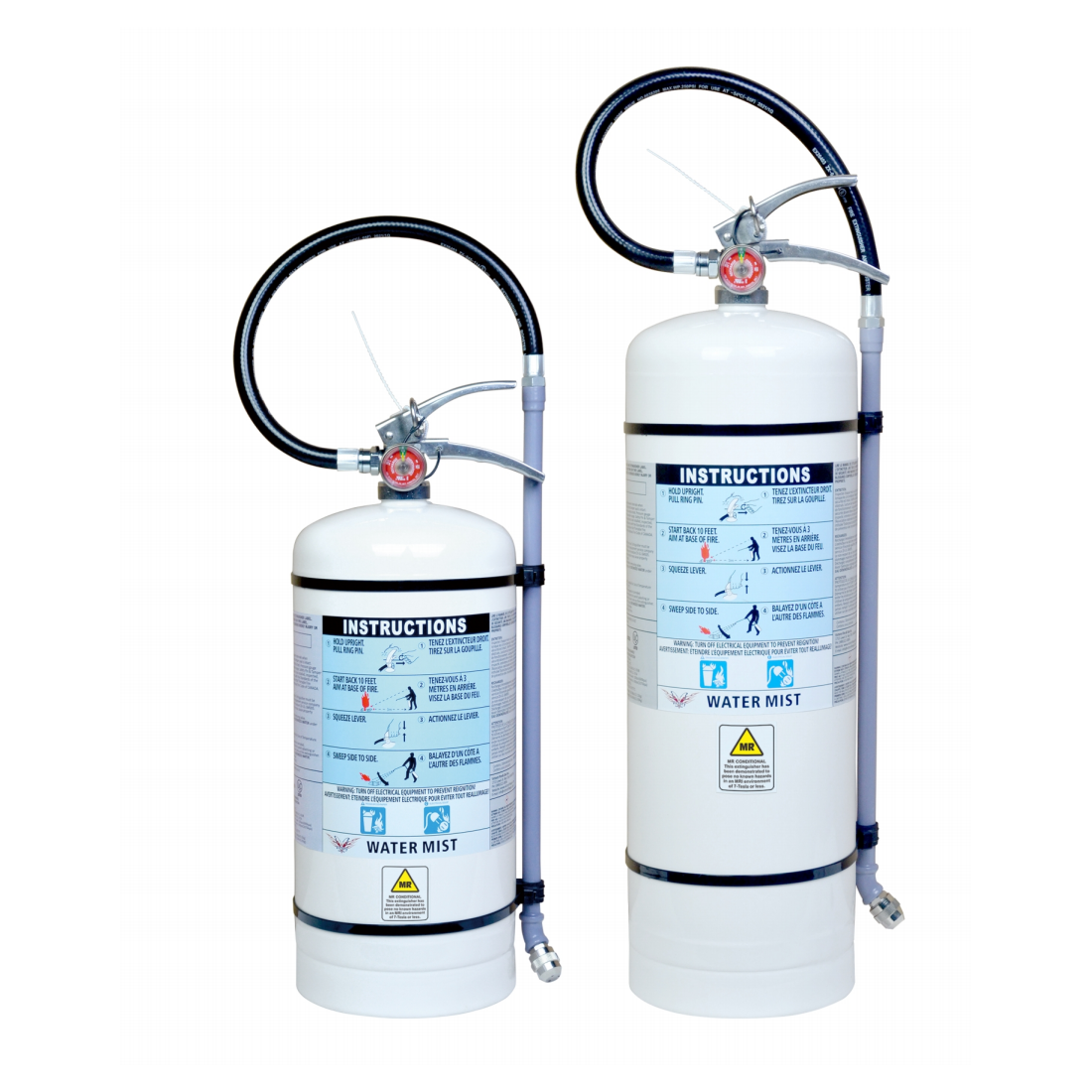
You cannot select fire safety equipment based on marketing claims alone. You must verify independent testing and rigorous certifications. A reliable mist unit will carry specific ratings for distinct hazard classes. Understanding these ratings ensures you deploy the right tool for your specific facility risks.
Class A fires involve paper, wood, cloth, and plastics. Mist performs exceptionally well against these ordinary combustibles. The fine spray penetrates deep into the fuel source. Unlike heavy streams that sometimes scatter burning embers, the gentle mist settles softly over the hazard. It steadily removes heat until the core temperature drops below the ignition point. This makes it highly effective for deep-seated fires in office trash cans or cardboard storage areas.
The Class C rating is where this technology truly stands out. A Class C rating means the agent will not conduct electricity. Testing laboratories subject these units to rigorous dielectric testing standards. They discharge the extinguisher onto highly energized plates. They measure if any electrical current travels up the liquid stream back to the handle. Because the units use pure de-ionized water and discharge it as discontinuous micro-droplets, the electrical path is broken. This is exactly why a properly tested mist unit protects the operator from dangerous shocks.
When you evaluate options, you must look for recognized safety marks. Facility safety officers should specifically search for a certified UL Water Extinguisher designed for mist applications. Underwriters Laboratories (UL) tests these devices against strict NFPA 10 standards. You should verify the specific UL or ULC listings printed directly on the cylinder label. Confirm the unit complies with local fire codes for your specific occupancy type. Never assume a generic liquid unit is safe for electrical hazards without this explicit Class C certification label.
Extinguisher Type | Class A (Wood/Paper) | Class C (Electrical) | Residue Left Behind | Risk to Electronics |
|---|---|---|---|---|
Standard Water | Excellent | Dangerous | Heavy Soaking | High Damage Risk |
Dry Chemical (ABC) | Excellent | Safe | Corrosive Powder | High Damage Risk |
Carbon Dioxide (CO2) | Poor | Safe | None | Thermal Shock Risk |
Water Mist | Excellent | Safe | Minimal Moisture | Low Damage Risk |
Every facility manager must plan for the aftermath of a fire emergency. The cleanup process often creates more operational disruption than the fire itself. Traditional suppression methods leave devastating messes behind. When a dry chemical unit deploys, it blankets the entire room in a fine, corrosive powder. This powder enters server vents, clogs HVAC systems, and settles onto motherboard contacts. Over the following weeks, this powder accelerates rust and corrosion. Eventually, the hardware fails completely.
Mist technology eliminates this secondary disaster. The de-ionized liquid simply evaporates. You do not need to hire hazardous material teams to vacuum toxic dust. You avoid the laborious process of replacing corroded motherboards and compromised hard drives. By choosing a zero-residue agent, you drastically reduce facility downtime. Teams can inspect the localized damage, replace the immediately affected component, and resume operations almost instantly. This immediate operational resumption protects your business continuity.
Furthermore, modern organizations prioritize environmental compliance. Many older clean agents contained ozone-depleting substances. Other chemical suppressants rely on PFAS or "forever chemicals." Regulatory bodies now heavily restrict these harmful compounds. Disposing of obsolete chemical units creates compliance headaches. Mist units completely avoid these environmental pitfalls. They use naturally occurring pure water and nitrogen propellant. They lack any PFAS or toxic compounds. Choosing this technology reduces your long-term regulatory compliance risks and aligns beautifully with corporate sustainability initiatives.
No fire suppression tool provides a universal solution. To maintain a safe facility, you must recognize where mist technology fails. Relying on the wrong agent during an emergency invites disaster. You must demonstrate clear judgment by implementing these units strictly within their operational limits.
You should never use mist units on Class B flammable liquid fires. The fine spray cannot blanket a gasoline or oil fire effectively. In fact, discharging water onto grease or oil often splatters the burning liquid. This spreads the fire rapidly. You also cannot use them for Class D combustible metals like magnesium or titanium. Metal fires burn at extraordinary temperatures. Applying any moisture causes violent, explosive reactions. Finally, keep these units away from commercial kitchens. Class K fires involving deep fryers require specialized wet chemical saponification agents, not mist.
Owning a specialized unit requires rigorous upkeep. You must schedule strict annual inspections. Technicians must verify the pressure gauge and inspect the microscopic nozzle for clogs. More importantly, you face strict rules during hydro-testing and recharging. You cannot simply refill a discharged cylinder from a garden hose. Service technicians must strictly use manufacturer-approved de-ionized water. Introducing tap water ruins the dielectric properties instantly. It turns a previously safe Class C unit into a deadly electrical hazard.
Staff training remains critical for successful deployment. These units are highly user-friendly, but they operate differently than standard models. The micro-droplet cloud creates a softer discharge. Therefore, the effective discharge range is notably shorter than high-pressure chemical or solid stream units. Operators must stand closer to the hazard to ensure the cooling curtain reaches the base of the flames. Safety officers must incorporate this shorter throw range into their regular employee fire drill training.
Choosing the right fire safety equipment determines how quickly your business recovers from an emergency. You must weigh the specific risks inside your facility. Choose water mist technology if asset preservation, strict electrical safety, and a clean, residue-free discharge remain your non-negotiable success criteria. It serves as an unmatched defense for data centers, medical suites, and historical archives.
Do not guess when it comes to life safety and asset protection. We strongly recommend conducting a comprehensive, localized fire risk assessment. Partner with a certified fire protection specialist. They will help you map out your high-value zones, finalize extinguisher placements, and ensure total compliance with local building codes. Upgrade your safety infrastructure thoughtfully to protect your people and your critical property.
A: No. These units use highly purified, de-ionized water. Because all minerals and salts are removed during manufacturing, the fine water vapor evaporates completely clean. It leaves no corrosive chemical dust, no sticky film, and no hard mineral deposits behind on your sensitive equipment.
A: Yes. True mist extinguishers carry a Class C rating. They discharge de-ionized water in tiny, discontinuous droplets. This breaks the electrical path. Unlike standard liquid units, a certified mist model will not conduct dangerous electrical currents back to the operator.
A: Like most pressurized extinguishers, they require annual visual inspections. According to NFPA 10 standards, these units generally require internal maintenance and hydrostatic testing every five years. They must always be recharged using strictly manufacturer-specified de-ionized water to maintain their safety ratings.
A: Yes, it is significantly safer. Carbon dioxide extinguishes fires by violently displacing oxygen. Discharging CO2 in small, unventilated server closets poses serious asphyxiation risks to operators. Water mist is simply pure water vapor. It remains completely non-toxic and breathable, posing zero asphyxiation hazards in tight quarters.


